
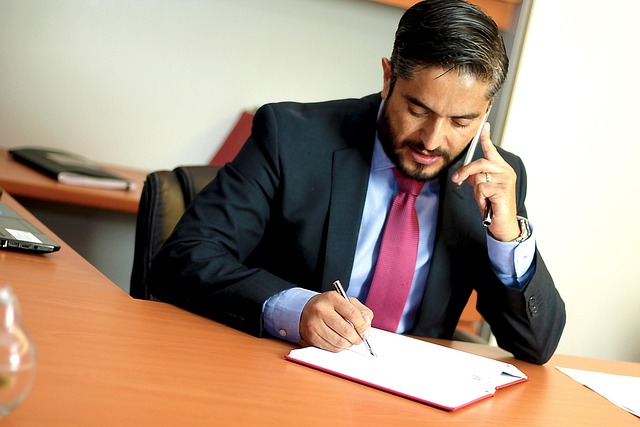
In Colorado, DUI checkpoint procedures follow strict legal protocols to protect driver rights. Law enforcement requires reasonable suspicion before stopping a vehicle. A DUI Checkpoint Attorney Colorado guides drivers through these encounters, ensuring rights are protected and legal consequences mitigated. Refusal to test can lead to penalties, including license suspension. These attorneys specialize in navigating unique legalities, challenging test validity, and ensuring fairness during high-pressure stops. Engaging a top-rated local attorney can result in reduced charges or dismissal.
DUI checkpoints are a common law enforcement strategy to combat drunk driving, yet many drivers remain unaware of their rights and the process involved. In Colorado, where DUI laws are stringent, understanding what happens during these checks is vital for protecting your freedoms. A DUI Checkpoint Attorney Colorado can guide you through this intricate procedure, ensuring your rights are upheld. These checkpoints, while aimed at promoting safety, can be complex, with officers following specific protocols for vehicle stops and sobriety tests. Knowing your rights and the legal boundaries surrounding these checkpoints could significantly impact the outcome of a potential case.
- Understanding DUI Checkpoint Procedures in Colorado
- What to Expect When Interacted With a Law Enforcement Officer
- The Role of a DUI Checkpoint Attorney in Your Defense
Understanding DUI Checkpoint Procedures in Colorado

In Colorado, DUI checkpoint procedures are governed by strict legal protocols designed to ensure fairness and protect the rights of drivers. When approached at one of these checkpoints, it’s crucial to understand your rights and how a DUI Checkpoint Attorney Colorado can assist. These checkpoints, strategically placed by law enforcement, aim to detect and deter drunk driving. According to recent data from DUID Colorado, over 75% of successful DUI cases involve evidence obtained during routine checkpoint stops. This underscores the significance of knowing how to navigate such encounters.
During a DUI stop at a checkpoint, law enforcement officers must follow specific procedures. They are required to have a reasonable suspicion that criminal activity is afoot before stopping a vehicle. In Colorado, this often means looking for indicators like blurred vision, slurred speech, or the scent of alcohol. Once stopped, officers will typically ask the driver for their license and registration while assessing signs of impairment. If there’s reason to believe the driver is under the influence (DUI), they may administer field sobriety tests (FSTs). A DUID Colorado expert can help interpret these tests and advise on standing up for your rights during such stops, ensuring that any interactions with law enforcement are conducted fairly and legally.
If an officer believes a vehicle has been involved in vehicular assault DUI Colorado, further action may be taken. This could involve taking the driver to a station for chemical testing using breath or blood analysis. It’s important for drivers to remember that refusing these tests can result in penalties, including license suspension. A DUI Checkpoint Attorney Colorado can guide you through this process, ensuring your rights are protected and helping mitigate potential legal consequences. Understanding the intricacies of DUI checkpoint procedures is key to navigating these encounters effectively.
What to Expect When Interacted With a Law Enforcement Officer

During a DUI checkpoint in Colorado, you can expect a systematic process designed to identify and detain drunk drivers. Law enforcement officers will pull over vehicles based on predetermined criteria, often focusing on specific time slots or areas known for higher drinking rates. Upon approach, be prepared to interact with an officer who will request basic information, observe your behavior, and assess any signs of impairment. This initial contact is crucial; remaining calm, respectful, and cooperative is essential to navigating the situation effectively.
Your interaction may include field sobriety tests (FSTs) to evaluate your coordination, balance, and mental state. Examples include the one-leg stand or walk-and-turn tests. It’s important to understand that these tests carry significant weight in court; performance can impact whether you’re charged with a DUI offense. If you’re asked to take a sobriety test, such as a breathalyzer or blood test, refusing can have dire consequences. In Colorado, what happens if I refuse a sobriety test? According to recent DUI law changes in the state, refusal may result in license suspension and increased penalties.
A DUI Checkpoint Attorney Colorado can offer invaluable guidance during these high-pressure situations. They understand the legal intricacies involved, ensuring your rights are protected. For instance, an attorney can challenge the validity of field sobriety tests or question the procedural fairness of the checkpoint itself. By staying informed about understanding DUI penalties in Colorado and being aware of your rights, you can better navigate these checkpoints. Remember, knowledge is a powerful tool in safeguarding against unfair treatment during such encounters.
The Role of a DUI Checkpoint Attorney in Your Defense

During a DUI checkpoint in Colorado, law enforcement officers stop vehicles at predetermined locations to detect and deter drunk driving. What many drivers don’t realize is that their rights during these stops are distinct from other types of traffic stops. A top-rated DUI attorney in Colorado Springs can play a crucial role in navigating this process, ensuring your legal protections are understood and invoked. These experts have seen countless DUI cases and know how to troubleshoot each unique situation.
At a DUI checkpoint, officers must follow specific protocols designed to minimize bias and ensure fairness. They must legally justify the stop, and every driver stopped has the right to remain silent—a right often overlooked in the heat of the moment. A skilled DUI Checkpoint Attorney Colorado Springs will advise you on these rights and help you understand when evidence gathered during a stop might be excluded from your case. For example, if an officer fails to follow proper procedure, such as not having sufficient cause to stop every vehicle or using discriminatory practices, your attorney can challenge the validity of the stop in court.
The presence of a top-rated DUI attorney isn’t just about challenging evidence; it’s also about strategic communication and documentation. They will guide you on how to interact with officers, what questions to ask, and what steps to take afterward. This proactive approach can significantly impact the outcome of your case. According to recent data, having legal representation during a DUI arrest can lead to more favorable outcomes, including reduced charges or even dismissal in some instances. So, if you find yourself at a DUI checkpoint, remember that troubleshooting your case with expert help from a top-rated Colorado Springs attorney is an invaluable step towards protecting your rights and securing the best possible outcome.
Understanding what happens during a DUI checkpoint in Colorado is crucial for anyone facing potential charges. Key takeaways include the legal framework governing these checks, the rights of drivers, and the vital role of a DUI Checkpoint Attorney Colorado. While officers follow strict procedures, knowing your rights and the possibility of legal representation can significantly impact the outcome. Engaging a skilled attorney who specializes in DUI checkpoint law can help navigate this intricate process, ensuring your best interests are protected throughout. This article equips readers with essential knowledge to make informed decisions and emphasize the importance of proactive measures when facing potential DUI allegations.